How Hot Do Nvidia AI GPUs Get? 65°C Water Cooling
Discover how Nvidia AI GPUs maintain a 65°C thermal baseline with water cooling and why thermal efficiency now defines data center success.
How Hot Do Nvidia AI GPUs Get? 65°C Water Cooling
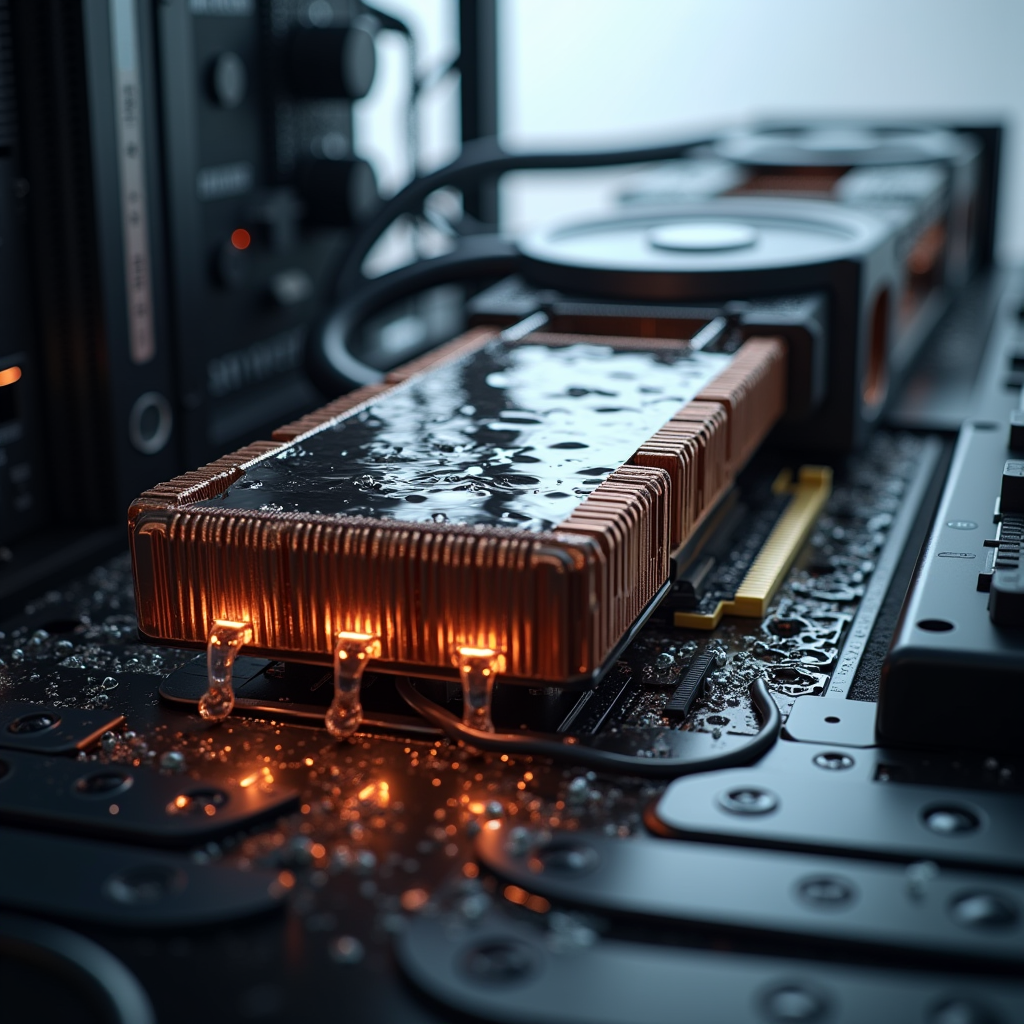
Even a single 350-watt graphics card can hover around 64–65°C with extensive water cooling. That’s not just warm; it’s a thermal baseline that hints at the intense heat challenges facing server racks now shipping millions of AI accelerators. You might assume buying the most powerful chip guarantees the best results, but the real constraint is often heat. The frontier of AI success isn’t about raw stock valuations or storage frameworks; it’s about how organizations manage thermal metrics and evaluate whether general-purpose GPUs or custom ASICs offer a better bargain for sustained intelligence workloads.
The Thermal Baseline: What Heat Tells Us About AI Hardware
To understand the heat, look at the work. When you power an AI workload, you’re running trillions of mathematical operations per second. Every electron forced through a chip’s transistors encounters resistance, and that resistance turns into thermal energy. The metric that matters isn’t just speed; it’s how much electrical input translates into intelligence versus waste heat.
A 350-watt graphics card represents a specific power envelope. Under load, the chip consumes this energy, and a significant portion must be managed. Without effective cooling, temperature rises, throttling performance or causing damage. This is why the thermal baseline of 64–65°C with water cooling is critical. It shows the engineering required to keep the chip in its optimal range while it churns out intelligence. This temperature is a managed state, not a runaway reaction. It indicates the cooling system is successfully extracting heat to maintain stability.
The implication for data centers is clear. If you’re deploying millions of units, your thermal management strategy defines rack density. You can’t just stack chips and hope for the best; you must engineer the fluid dynamics of your cooling loops. Thermal efficiency becomes a proxy for computational efficiency. If you spend more energy fighting heat than doing math, your bargain is poor. The heat is a signal. It reveals bottlenecks and inefficiencies. By monitoring the thermal baseline, you can see if your cooling infrastructure keeps pace with the power draw of your AI accelerators.
Power, Efficiency, and the New Defining Metrics
As the industry scales, the definition of performance is evolving. For years, the focus was on raw speed and capacity. But as deployments reach millions of units, the cost of power and cooling becomes a dominant factor in the total cost of ownership. This is why thermal efficiency and power draw will likely become the defining metrics for infrastructure planning. Energy consumption is no longer a secondary concern; it’s a primary constraint.

Thermal efficiency measures how effectively a chip converts power into useful work. A chip that runs hotter may be consuming more power than necessary, or it may require more expensive cooling solutions to maintain stability. This creates a feedback loop where heat impacts both operational costs and reliability. Organizations are beginning to evaluate their infrastructure based on these metrics. The bargain is shifting from the upfront cost of the chip to the long-term cost of running it. A better bargain isn’t just about the purchase price; it’s about the thermal and power profile over the lifespan of the hardware.
You can see this shift in the strategies of hyperscalers and chipmakers alike. The goal is to maximize intelligence output per watt and per degree Celsius. By optimizing for thermal efficiency, organizations can pack more compute into the same physical space, reducing the footprint and the energy required for cooling. This efficiency is becoming a competitive advantage. Companies that deliver chips with superior thermal performance will likely capture more market share, as the cost of ownership becomes a decisive factor for organizations managing large-scale AI deployments.
The Hardware Debate: General-Purpose GPUs vs. Custom ASICs
The industry stands at a crossroads regarding the hardware itself. For years, general-purpose GPUs have powered the core of training and inference. These chips offer flexibility, allowing organizations to run a wide variety of models and workloads. However, in recent years, hyperscalers have begun exploring custom chips to optimize narrow workloads. This shift introduces a debate between general-purpose versatility and custom efficiency.
Custom ASICs (Application-Specific Integrated Circuits) are designed for specific tasks, offering potentially higher efficiency for those tasks. For a narrow workload, a custom chip might offer a better bargain, converting power into intelligence with less waste. Meanwhile, general-purpose GPUs retain value for their ability to handle diverse and evolving workloads. The choice between the two depends on the specific use case. Organizations must weigh the utility of flexibility against the potential gains in efficiency and thermal performance.
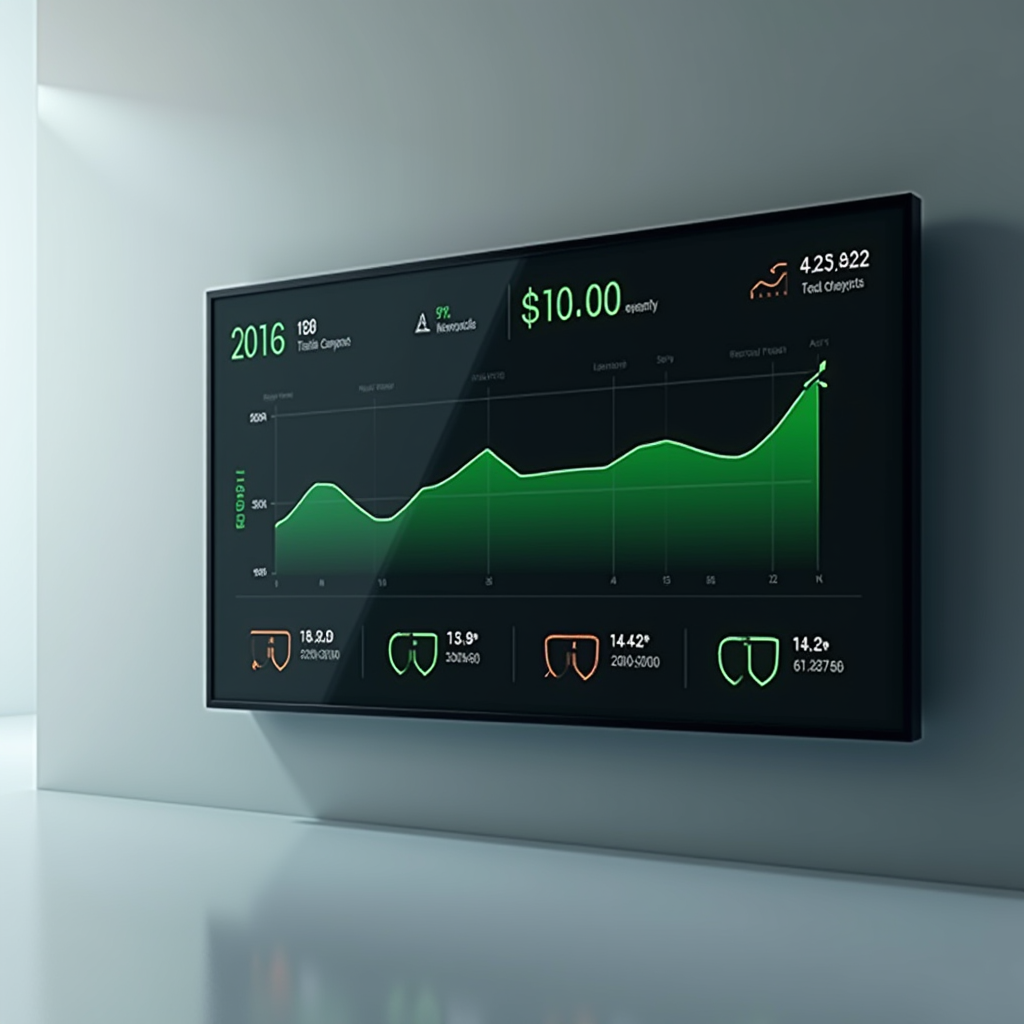
You’re seeing this debate play out among major chipmakers. Broadcom and Nvidia are key players in this landscape, each offering different value propositions. The metric that will likely decide the winner isn’t just raw speed, but how effectively the chip converts power into intelligence without demanding excessive cooling overhead. As the industry moves forward, thermal efficiency and power draw are becoming the defining metrics for infrastructure planning. This could shift the advantage toward chips that offer a better thermal bargain, whether they are custom ASICs or advanced GPUs. The comparison extends to tech giants like Google and Amazon, who design their own AI chips, further complicating the hardware landscape. The better chip is the one that aligns with the organization’s thermal and productivity goals.
Beyond the Chip: Storage as the Next Frontier
The thermal challenge extends beyond the GPU itself. As AI models grow, the volume of data required to train and run them explodes. This brings storage into the spotlight. Techradar points out that storage has become the next frontier of AI. The movement of data between storage and compute generates heat and consumes power. If storage is the bottleneck, your expensive GPUs sit idle, wasting energy and potentially creating hot spots due to uneven load distribution.
Nvidia has laid out its thoughts on how storage integration impacts the overall system. The efficiency of the data pipeline determines the thermal profile of the entire rack. You cannot optimize the GPU temperature in isolation; you must optimize the data journey. This realization means that organizations are looking at the full stack. The metric of success is becoming holistic, encompassing storage latency, bandwidth, and the thermal footprint of the storage array itself.
Data movement is a critical component of the thermal equation. High-speed data transfer requires energy, and that energy turns into heat. As organizations scale their AI deployments, they must ensure that their storage infrastructure can keep up with the demands of the compute layer. Failure to do so can lead to bottlenecks that undermine the efficiency of the entire system. By treating storage as the next frontier, organizations can improve the productivity of their infrastructure and reduce the thermal burden. This holistic approach is essential for managing the millions of units that are now powering the AI shift.

Measuring Organizational Success in the Age of Thermal Constraints
For the organizations deploying these systems, the definition of success is evolving. It is no longer enough to boast about the number of GPUs in your rack. As the research indicates, AI success will be defined by how productively the infrastructure is used. This requires a shift in metrics. The thermal metric is now a business metric. High temperatures can lead to downtime, reduced lifespan, and higher energy costs. Therefore, managing thermal metrics is a direct contributor to organizational success.
The frontier of artificial intelligence workloads demands that companies evaluate whether their current setup offers a better bargain. This evaluation involves looking at the cost of power, the cost of cooling, and the output of intelligence. If a cheaper chip generates too much heat and requires expensive cooling, the bargain is worse. The better bargain is the one that maximizes intelligence output per watt and per degree Celsius. This perspective forces a re-evaluation of procurement strategies, moving away from stock valuations and toward operational efficiency.
Analysts highlight that ownership is not the same as productivity. Organizations that focus on thermal metrics and power draw are likely to achieve better outcomes. By optimizing for efficiency, they can reduce costs and increase the reliability of their AI systems. This shift is becoming a key differentiator among organizations. Those that master the thermal metric will lead the frontier, delivering more intelligence with less resource consumption. The success of AI is no longer just about building bigger systems; it’s about building smarter, more efficient ones.
Market Signals and the Road to 2026
The market is pricing this in. As the AI deployment landscape scaled rapidly, the focus gradually shifted toward optimization and custom solutions. This transition is visible on the Nasdaq, where stock valuations are increasingly tied to operational metrics rather than just revenue growth. Analysts are pointing to the thermal and power challenges as key differentiators among chipmakers.
Companies that can deliver chips with superior thermal performance and power efficiency are likely to capture more market share. The trend points toward the near future, where thermal engineering will be as important as architectural innovation. The stock market is learning that a chip that runs hot is a chip that costs more to run. This realization is reshaping investment theses, with a growing emphasis on the bargain of total cost of ownership, including the thermal burden.
The scale of deployment is also influencing market dynamics. With millions of units now in operation, the cumulative impact of thermal inefficiency is significant. Organizations are under pressure to reduce their carbon footprint and energy costs, driving demand for more efficient hardware. This demand is reshaping the competitive landscape, favoring chipmakers that can deliver on the promise of thermal efficiency. As the industry moves forward, the companies that best align with these metrics will likely define the future of AI infrastructure.
The Catches
- The 64–65°C figure applies to a 350-watt card with extensive water cooling; performance and thermal behavior can vary significantly with different power envelopes and cooling solutions.
- The comparison between GPUs and ASICs is nuanced; while custom chips may offer efficiency for narrow tasks, general-purpose GPUs retain value for flexibility and broader workloads, meaning the “better bargain” depends heavily on the specific use case.
- Market projections and metric analyses from sources like Fool.com regarding specific financial figures or dates such as 2027 are based on single-source data and should be treated with caution; the core analysis relies on corroborated trends from 2023 through 2026.
- Thermal management is only one part of the efficiency equation; as Techradar points out, storage and data movement are becoming critical frontiers, meaning improvements in GPU cooling must be matched by advances in data infrastructure to realize full productivity gains.
The Significance
The heat is real, but it’s also a signal. It tells us where the industry is going. The future of AI isn’t just about faster chips; it’s about smarter cooling, better bargains, and more productive infrastructure. Organizations that master the thermal metric will lead the frontier, delivering more intelligence with less resource consumption. The shift from ownership to efficiency is redefining success, and the companies that embrace this reality will power the next wave of artificial intelligence.
Sources
- Fool — Broadcom vs . Nvidia : 1 Metric Shows Which Artificial Intelligence ( AI ) Chipmaker Is the Better Bargain
- Techradar — AI success will be defined not by how much infrastructure organizations own , but by how productively they use it : Nvidia lays out its thoughts on how storage has become the next frontier of AI
Watch the short